

Dynamic Light
Today, light is a design variable. The benchmark for excellence in modern smart cities is to favour – and therefore choose – urban lighting with a warm colour temperature (usually between 2200K and 2700K, or using amber LEDs) and a blue light content of less than 1 per cent.

Protecting human health and the circadian rhythm
Our biological clock (circadian rhythm) has evolved to respond to the natural cycles of light and darkness.
- Melatonin production: the eye’s photoreceptors are particularly sensitive to short wavelengths (blue light). Evening exposure to this spectral component mimics daylight and inhibits the secretion of melatonin, the hormone that regulates sleep.
- Quality of sleep: at night, street lighting inevitably shines into homes. By keeping the blue light content below 1 per cent, its interference with residents’ endocrine systems is minimised: sleep remains deeper, and stress and metabolic disorders associated with insomnia are reduced.

Protection of biodiversity and ecosystems
Light pollution (ALAN – Artificial Light At Night) is one of the main causes of the global decline in insect populations and habitat fragmentation.
- Nocturnal fauna: many species (insects, migratory birds, bats, amphibians) use moonlight and starlight to navigate. Blue light disorients migratory species and attracts insects to light sources, disrupting the food chain.
- Ecological invisibility: many nocturnal species have limited sensitivity to long wavelengths (amber/red). A warm light devoid of blue illuminates roads for humans whilst remaining ‘ecologically invisible’ to local wildlife.

Reducing light pollution (Skyglow)
The diffuse glow that shrouds cities and prevents us from seeing the Milky Way is exacerbated by cold light.
- Rayleigh scattering: this is the physical principle that makes the sky blue during the day: short wavelengths (blue) are scattered in the atmosphere much more than longer ones.
- Darker skies: by removing the blue component from light sources, atmospheric scattering of light is reduced, allowing the light to remain concentrated where it is needed. This reduces the light halo above urban centres.

Road safety and visual comfort
It may seem counterintuitive, but a whiter, more dazzling light does not mean you can see better at night.
- Reduction in glare: blue light scatters more extensively, even within the eye (intraocular scattering), causing annoying and disorientating glare, which is particularly dangerous for older drivers. Warm light is more comfortable for the eyes.
- Better visibility in adverse weather conditions: in fog, rain or mist, blue light bounces off water droplets, creating a ‘white wall’ of reflections. Warm wavelengths penetrate atmospheric moisture more effectively, improving contrast and safety.
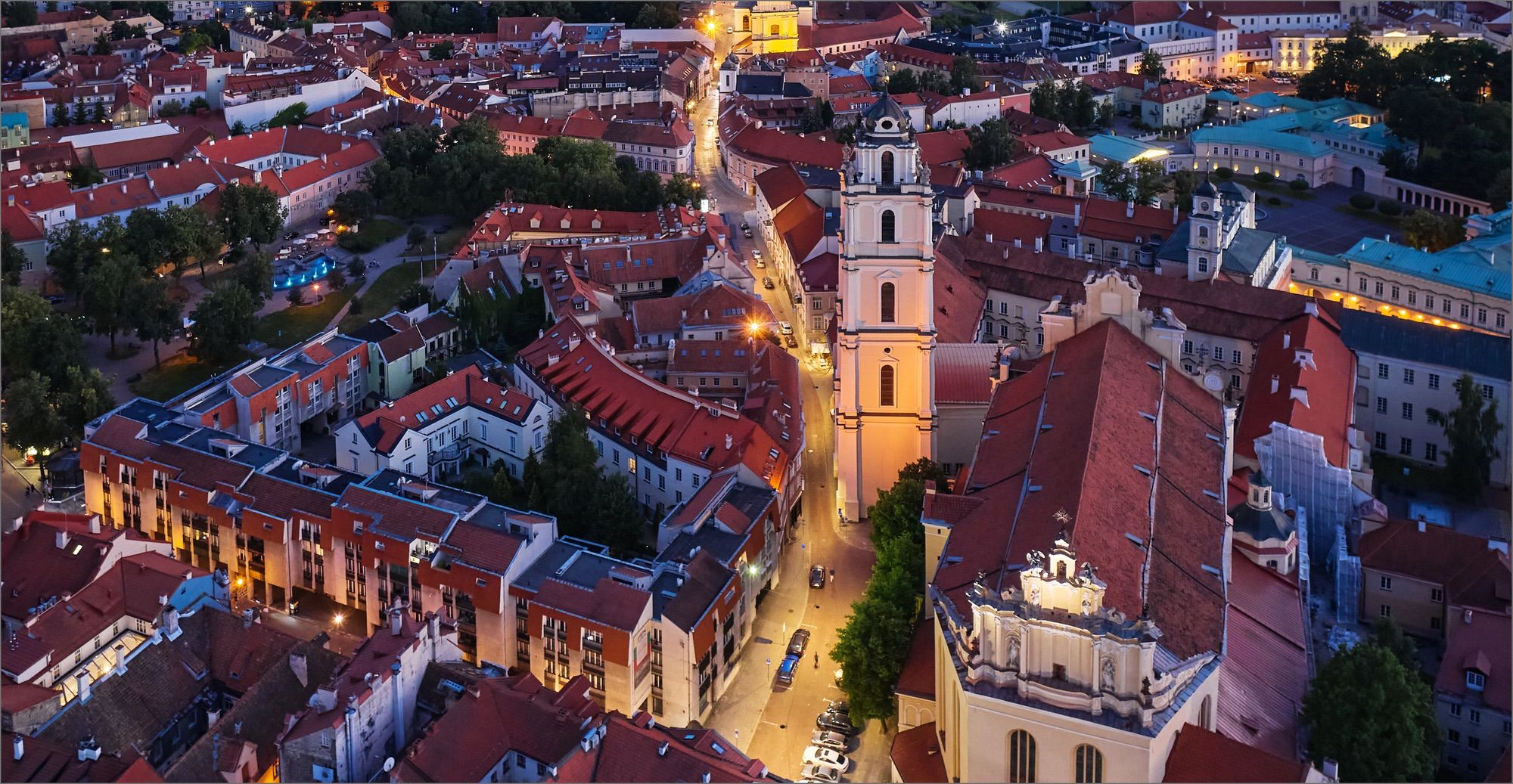
With Tunable White, the light spectrum and intensity adapt seamlessly throughout the night: the right colour temperature at the right time, protecting people, the environment and the sky. An innovation that takes urban lighting beyond mere energy saving, towards ecological and physiological efficiency.

Switching to warm light with virtually no blue light means moving beyond mere ‘energy saving’ to ecological and physiological efficiency, illuminating cities in harmony with nature and human biology.